Deemak ka ilaj: how to spot termites at home and stop them spreading
The early signs of deemak, what makes a home attractive to termites, what you can do now, and why a lasting fix needs treatment.
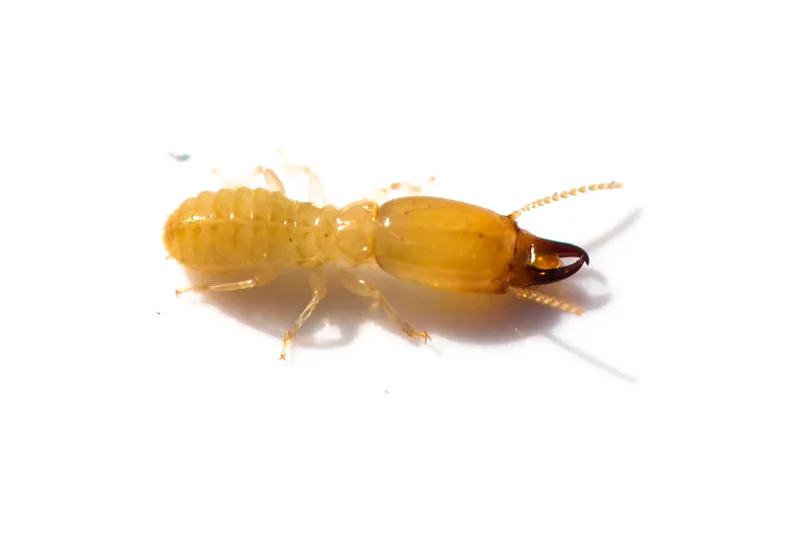
Deemak (termites) eat wood from the inside, quietly, for months before anyone notices. By the time a door frame sounds hollow, they have usually been there a long time. Catching them early saves a lot of money.
Deemak ki nishaniyan: the signs
- Mud tubes: thin brown tunnels, about the width of a pencil, running up walls, along skirting or behind cupboards. Termites build them to travel without drying out.
- Hollow wood: door frames, skirting or cupboard bases that sound hollow when you tap them, or give way when pressed.
- Wings: small, see-through wings near windows and lights, often after rain. They come from a swarm looking for a new place to nest.
- Fine dust or mud coming out of small holes in wood.
- Doors and windows that suddenly stick, because the wood is being eaten and the frame is moving.
If you find a mud tube, break a small piece off. If it is rebuilt within a few days, termites are active.
Why deemak come to a home
Termites need moisture and wood.
- Damp walls: leaking pipes, a wet bathroom wall, or water collecting against the outside wall.
- Wood touching soil: wooden frames, planks or furniture stored against earth or a damp floor.
- Old wood stored at home: furniture pieces, boxes and timber left in store rooms or on the roof.
- Cracks in the floor and walls, which give them a hidden way in from the soil.
What you can do now
- Fix leaks and keep walls dry, especially kitchen and bathroom walls.
- Move stored wood, cardboard and old furniture off the floor and away from walls.
- Keep plants and soil from touching the outside wall of the house.
- Check door frames, skirting and wooden cupboards every few months.
- Don’t break open the tubes and spray them yourself. Surface sprays kill the termites you can see, but not the colony in the soil, and they scatter the rest to a new spot.
Deemak ka pakka ilaj: why it needs treatment
Termites live in a colony underground and keep coming up through the floor and walls. A lasting fix puts a barrier between the soil and your home: small holes are drilled along the wall line, a termiticide is injected, and the holes are sealed to match the floor.
If you are building a new house, ask about treating the soil while the foundations are open. It is the cheapest and longest-lasting protection.
When to call us
Call us as soon as you see mud tubes, hollow wood or wings indoors. We inspect first, show you what we find, and give you a written quote. Treatment comes with a 5-year warranty and a yearly inspection.